Launching a Branded Reading App: A Week-by-Week Guide
Publishers
What a Real Launch Timeline Looks Like
Publishers launching a branded reading app for the first time frequently underestimate how long the process takes — not because the platform is slow to set up, but because there are dependencies outside the platform's control: content preparation, brand decisions, App Store review, and integration with existing commerce and authentication systems.
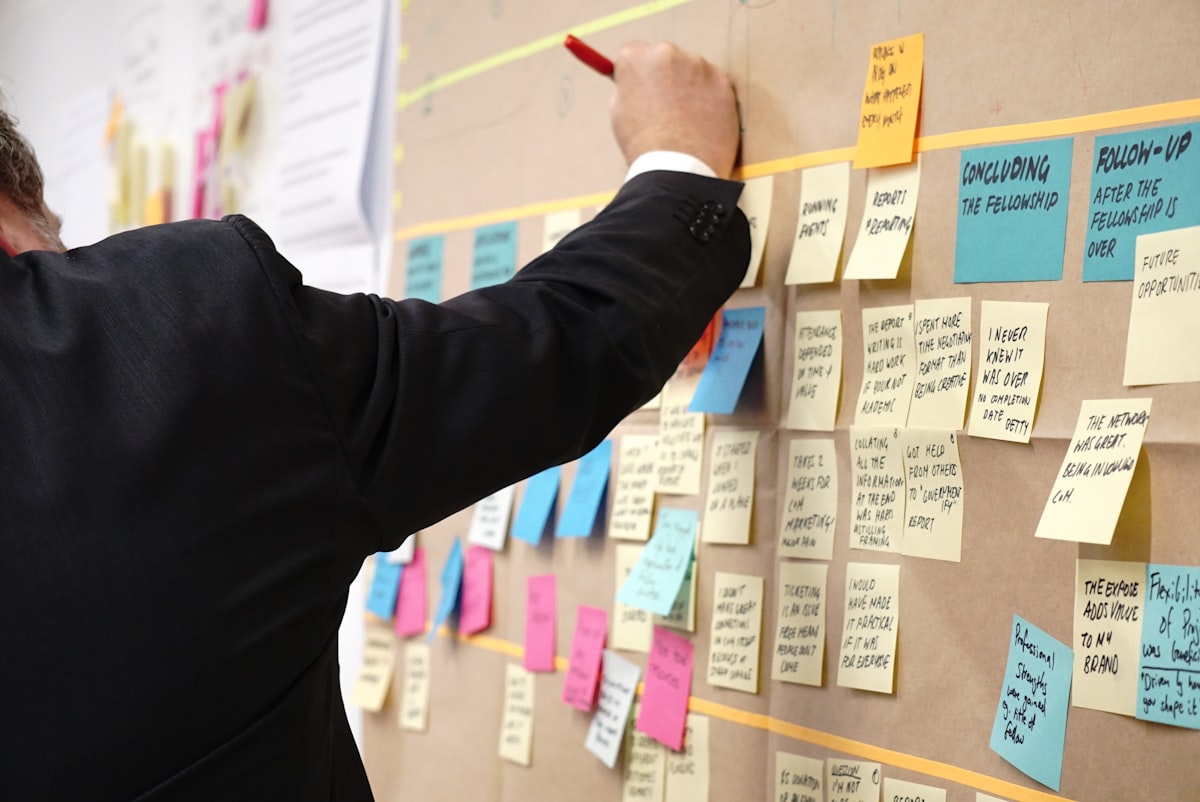
A realistic timeline from contract signature to live app is typically eight to twelve weeks, depending on the complexity of the integration and how quickly the publisher can provide the required assets and decisions. Here is what that timeline looks like in practice.
Weeks 1–2: Setup and Onboarding
The first two weeks are about establishing the foundations. On the platform side, this means provisioning the publisher's environment, configuring the content management system, and setting up the DRM licence server. On the publisher side, this means providing brand assets (logo, colour palette, typography), completing the Apple Developer account setup if not already done, and identifying the key contacts for technical, editorial, and commercial decisions.
The Apple Developer account is a common early bottleneck. If the publisher does not already have one, Apple's verification process for organisations can take one to two weeks. This should be initiated on day one.
Weeks 3–4: Content Ingestion and Validation
Content ingestion is where many implementations slow down. Publishers need to provide EPUB 3 files that pass validation — and in practice, a significant proportion of publisher EPUB files contain errors that need to be resolved before they can be ingested correctly.
Common issues include missing metadata, invalid HTML within the EPUB, images that exceed size limits, and accessibility attributes that are absent or incorrect. Publishers should run their files through an EPUB validator (EPUBCheck is the standard tool) before submitting them, and should expect to spend time resolving issues with their production team or typesetter.
Audiobook files need to be in the correct format (typically MP3 or M4B) with accurate chapter markers. Video content needs to be encoded to the correct specifications for the target devices.
Weeks 5–6: App Configuration and Branding
With content ingested and the platform configured, the focus shifts to the app itself. The branded app shell is configured with the publisher's visual identity — colours, fonts, icons, splash screens, and any custom UI elements. The publisher reviews the app on test devices and provides feedback.
This is also when the commerce integration is set up. If the publisher is using Shopify, WooCommerce, or a custom API to manage purchases and entitlements, the integration is configured and tested. If the app will offer in-app purchase through Apple or Google, the products are set up in App Store Connect and the Google Play Console.
Weeks 7–8: Testing and App Store Submission
Before submission, the app goes through a structured testing process across a range of devices and OS versions. This covers the core reading experience, DRM behaviour (including offline access and device limits), in-app purchase flows, and accessibility features.
The App Store submission is prepared: screenshots, app description, age rating, privacy policy URL, and the demo account credentials that Apple's reviewers will use to test the app. The submission is made, and the waiting begins.
Apple's review typically takes 24–48 hours for a first submission, but publisher apps with DRM or in-app purchase can attract additional scrutiny. A first-submission approval is the goal, but publishers should plan for at least one revision cycle.
Weeks 9–10: Review, Revision, and Go-Live
If the App Store submission is approved, the app is released. If it is rejected, the feedback is reviewed, the issue is resolved, and the app is resubmitted. Most rejections are straightforward to resolve once the reason is understood.
Go-live is not the end of the process. The first weeks after launch are important for monitoring: watching for unexpected errors, gathering user feedback, and resolving any issues that emerge in production. A specialist platform will have monitoring in place and a support process for handling post-launch issues.
What Affects the Timeline
The factors that most commonly extend the timeline are: delays in Apple Developer account setup, EPUB files that require significant remediation, late changes to branding or UI requirements, and complex commerce integrations that require custom development. Publishers who have these elements ready at the start of the project consistently achieve faster launches.
If you are planning a branded reading app launch and want to understand what the timeline looks like for your specific situation, speak to the Publish360 team. See also: The Apple App Store Review Process and Authentication and Entitlements for Publisher Reading Apps.